
A cracked window needs prompt attention because the glass may become unstable, admit water or leave the property less secure. It does not, however, automatically mean that the entire window must be replaced. If the frame is sound and the damage is limited to the glazing, replacing the pane may be the appropriate solution. If the frame is bent, corroded, loose or no longer sealing correctly, wider replacement work may make better long-term sense.
The safest first step is to keep people and pets away from the area and ask a glazing professional to assess the damage. Photographs help with an initial discussion, but the correct glass type, measurements and condition of the frame often need to be confirmed on site.
What to do immediately after glass cracks
If the pane is still in the frame, treat it as unstable even when the crack looks small. Close off the immediate area where practical. Avoid slamming nearby doors or windows, as vibration may worsen the damage.
From a safe distance, note whether pieces are falling, whether the pane is bowing, and whether wind or rain is entering. If broken fragments are already on the floor, prevent access until the area can be cleaned safely. Do not lean a ladder, furniture or temporary covering against the damaged pane.
Take a few useful photographs without touching the glass:
- The whole window from inside and outside, where safe.
- A closer view of the crack.
- Each corner of the frame.
- The handle, hinges or opening mechanism.
- Any visible identification marks on the glass.
- An object nearby that helps indicate scale, without placing it against the pane.
These images can help LTE Glass & Aluminium understand the situation before confirming the next step.
When replacing only the glass may be suitable
Pane-only replacement is often considered when the frame remains straight, secure and serviceable. The professional assessment will look at whether the opening is square, whether glazing beads or putty can be renewed, and whether the frame can safely accept the correct replacement glass.
Typical signs that the frame may still be usable include:
- The crack is confined to the glass.
- The aluminium, steel or timber surround is not visibly bent or loose.
- The opening mechanism still works normally.
- There is no widespread rot, severe corrosion or failed joint.
- The window previously closed and sealed properly.
The replacement pane should not simply be chosen by appearance. Its thickness, type and safety characteristics depend on the location, size, use and applicable requirements. A bathroom, door, low-level pane or large panel may need a different solution from a small, high-level window. This is why accurate identification and measurement matter.
When the frame also needs attention
A new pane cannot correct a frame that is structurally unsound, badly distorted or allowing repeated water ingress. If the frame is the underlying problem, installing glass alone may leave the property with poor operation, weak sealing or renewed stress on the pane.
Bent or distorted aluminium
Impact, forced entry, building movement or damaged hardware may twist an aluminium frame or sash. Check whether gaps look uneven and whether the window opens and closes without resistance. A professional can determine whether a component can be repaired or whether replacement is the more dependable option.
Corroded steel frames
Older steel frames may show deep rust, failed putty and expanding corrosion around the glazing line. Superficial deterioration and severe section loss are not the same. Where corrosion has weakened the frame, a broader replacement—potentially from steel to aluminium—may be worth discussing.
Deteriorated timber
Timber around a broken pane should be checked for rot, splitting and loose joints. Replacing the glass will not resolve a wet or unstable surround. The extent of deterioration will influence whether local repair is practical.
Failed seals or persistent leaks
Water around a window does not always originate from the glass itself. Frame joints, sealants, drainage paths and adjoining building work may contribute. If the pane cracked after long-term movement or poor support, the cause should be considered before new glass is installed.
| What you notice | What it may suggest | What to request |
|---|---|---|
| Crack only; frame operates normally | Pane replacement may be possible | Confirm glass type, size and glazing method |
| Bent sash or uneven gaps | Frame or hardware damage | Assess repair versus sash or frame replacement |
| Deep rust or rotten sections | Frame deterioration | Discuss broader replacement options |
| Mist between sealed panes | Failure within an insulated glass unit | Confirm whether the sealed unit needs replacement |
| Repeated cracking in the same area | Movement, support or installation issue | Investigate the underlying cause before reglazing |
This table is a decision aid, not a remote diagnosis. Site conditions determine the appropriate work.

What may have caused the crack?
Understanding the cause can prevent an incomplete repair. Direct impact is obvious, but glass may also crack because of edge damage, frame movement, stress or strong temperature differences across the pane. A crack starting at an edge, a point of impact or a distorted opening can each tell a different story.
Do not assume that every unexplained crack is a product fault, and do not accept a replacement plan that ignores visible frame damage. A careful assessment considers the glass, the way it is supported and the condition of the surrounding opening.
Repairing a crack is not the same as replacing the pane
Products marketed as glass crack repairs may improve the appearance of some small chips in specialised applications, but a cracked building window is a safety and performance issue. Adhesive or tape should not be treated as a permanent structural repair.
Temporary measures, if recommended for the specific situation, are intended only to control access or weather exposure until proper work can be carried out. Avoid applying pressure or trapping unstable fragments behind an improvised cover.
Putty, beads and sealing details
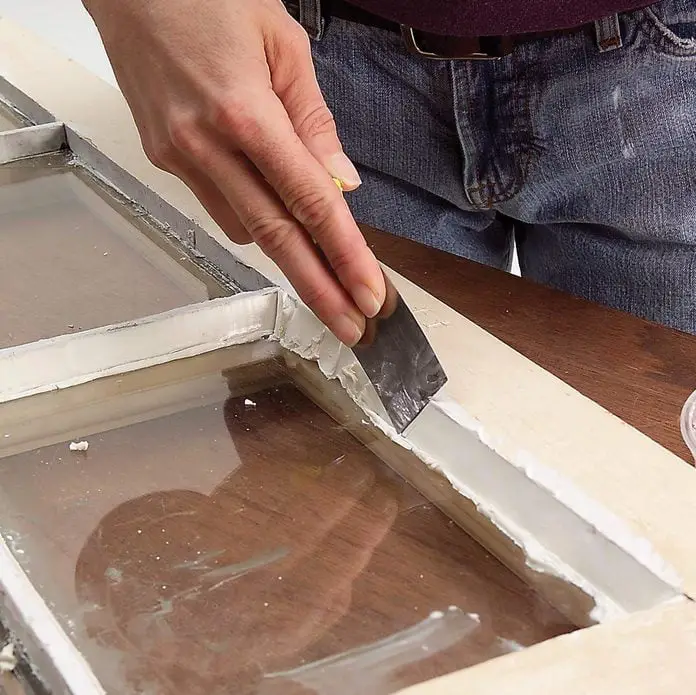
The method used to hold the pane depends on the frame. Older steel or timber windows may use glazing putty, while aluminium systems commonly use beads, gaskets or other proprietary details. These components need to suit the frame and replacement glass.
Fresh-looking sealant around an unsuitable or poorly supported pane is not a complete repair. The glazing method should hold the glass correctly, accommodate normal movement and shed water as intended. Ask what surrounding components will be renewed and what finishing work is included.
When converting to aluminium may be worth considering
If several old timber or steel windows are failing, repeatedly sticking or demanding ongoing maintenance, it may be useful to compare isolated repairs with a planned frame replacement. Aluminium frames can offer a clean appearance, durable finish and lower routine maintenance, with designs selected to suit the property.
That does not mean every cracked pane justifies a conversion. A sound frame with one damaged glass panel may only need reglazing. The sensible choice compares the condition of the existing frame, the number of affected openings, security and ventilation needs, the desired look and the available budget.
What a useful quotation should clarify
Before accepting work, look for a clear description of:
- Which pane, sash or complete frame is being replaced.
- The proposed glass type and thickness.
- How the glass will be secured and sealed.
- Whether old putty, beads, gaskets or damaged hardware are included.
- Any disposal, access or making-good work included in the scope.
- Whether measurements must be confirmed before manufacture or cutting.
- Any exclusions that require another trade.
For specialised or safety-critical glazing, confirm the appropriate specification for the location. South Africa's building standards framework is established through the National Building Regulations and Building Standards Act. A competent supplier should assess the application and applicable glazing requirements rather than relying on a generic pane choice.
Frequently asked questions
Can cracked window glass be left in place temporarily?
It should be assessed promptly. The urgency depends on the crack, glass type, location and exposure, but any cracked pane may become less stable. Keep people away and obtain professional advice.
Can LTE cut replacement glass to size?
LTE Glass & Aluminium offers glass cutting, putty and replacement services for windows, doors and other applications. The appropriate measurements, glass type and scope still need to be confirmed for the specific job.
Does a misted double-glazed window need a whole new frame?
Not always. Moisture between panes can indicate failure of the sealed glass unit. Whether the unit alone can be replaced depends on the frame system and its condition.
Should every old steel or timber frame be changed to aluminium?
No. The condition and performance of each opening should guide the decision. Where frames are extensively deteriorated or maintenance is becoming repetitive, an aluminium replacement option may be worth comparing.
Arrange a professional glass assessment
LTE Glass & Aluminium provides glass cutting, putty and replacement services, as well as wood- or steel-to-aluminium frame replacement options for residential and commercial properties.
For assistance in Nigel and surrounding areas, call +27 (0) 11 730 2047, email enquiries@ltealuminium.co.za, or use the LTE contact page. Share clear photographs if it is safe to take them, and allow the team to confirm the appropriate scope for the property.
The glazing visuals in this guide are generated illustrations for educational use and do not depict an LTE customer property or project.